I’m going to write a little bit about Runner Duck. I’ll start with Part 1, and then I’ll move on to Part 0. Y’know, like the origin story when they do a prequel and it’s like “Something Something Zero”.
This is a really long post. I’ve put pictures in to make it more fun.
After that maybe it’ll be Parts 2 + 3… but I might skip straight to Part 4, and write Parts 2 + 3 when there’s a bit more time & distance from anyone I might unintentionally aggravate by writing it.

2016: The Prototype
Dave and I were working at a mobile games company in Brighton. It wasn’t really something we were in to, and it was getting worse. I won’t go in to too much detail here, because it’s really more “Part 0” material, and this is “Part 1”. Either way, we were sick of it. I don’t play mobile F2P, and the games they were asking us to make were getting duller and more predatory, and we didn’t like that.
Luckily, we’d had the foresight to get it written in to our contracts that we could work on our own projects in our own time, and that our employers wouldn’t have any claim to ownership of them. I’d recommend having this adjustment in any contract.
By this point, I’d been working with Dave at different companies for about 5 years. We started prototyping Bomber Crew in our evenings & weekends. There’s a whole post about this elsewhere.
2016: The Tweets
Getting a publisher always seemed like something that other people did. I’m not sure why. A good friend of mine had recently sorted out a publishing deal for his own indie game. It was a weirder, less commercial game than ours, for sure. Despite this, it still felt like something that other people did, and not us. I had no doubts we could make the game – we’d been making games together for years… but this whole other side of things, it was new to us.
Twitter was still very much a thing, and hadn’t quite turned in to whatever it is now (I can’t say for sure, because I don’t go on there). We started a twitter, and Dave tweeted a few gifs of the game in progress. We figured, maybe worst case we’ll just make the whole game in our spare time (unrealistic) and then either self publish it (also unrealistic, at that point) or “see what happens”.
But then, a surprising thing (to us) happened. A publisher got in touch with us. We thought “Hm, maybe this isn’t just a thing other people do. It’s something we could do”. We went to the pub and drank a couple of beers and talked about it.
We got the prototype a bit more solid, and we e-mailed a bunch of publishers. It was good. All of them got back to us (one of them, very quickly and enthusiastically). Maybe we were other people now. Perhaps we could work with a publisher to make our game a reality.
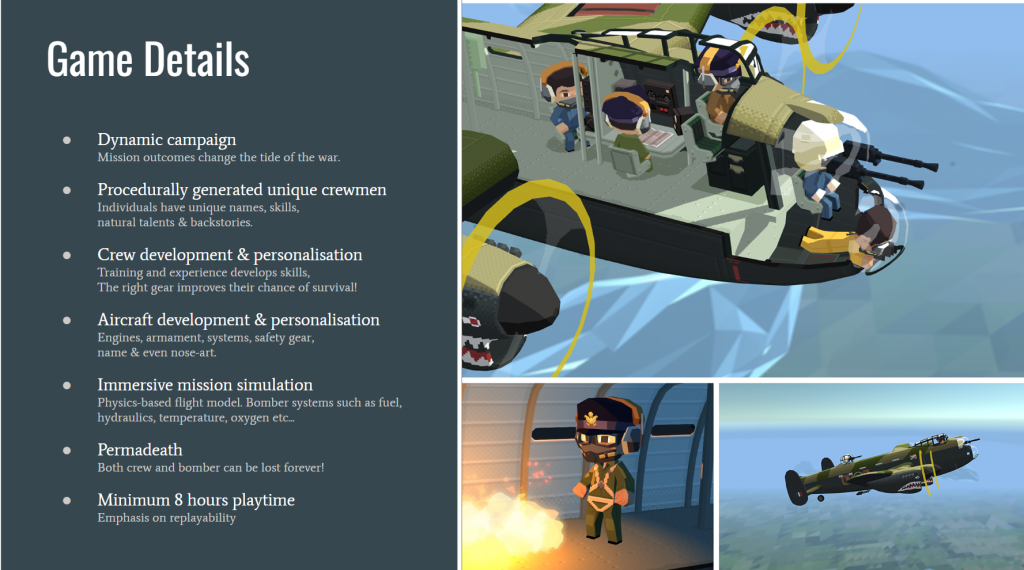
More than that: We could make the game we actually wanted to make, and we could tell our current boss to fuck off. Turns out it’s not just something other people do – it’s just a case of being genuine, sending a few e-mails, not being a total prick, having a good game that you’re confident in, and so on. At least, it was in 2017 – I think some of that has changed now. Anyway, at that time – it was stuff that we could actually do.
2016: The Publisher
One publisher stood out to us. They were more fast to respond, they were easy to get along with, they genuinely loved games. Down to earth genuine people, no ‘corporate’ feeling, no ridiculous made up job titles, everyone passionate. It all made sense, so we started the process of signing the game with Curve Digital.
Because we wanted to start on the game as soon as possible, we didn’t wait until it was completely signed before we quit our current jobs. We went to the pub after work one evening and ordered 2 beers + 2 shots (this had become a bit of a tradition towards the end of our time there). We simultaneously e-mailed our notices. It was December, and we both got gardening leave, so that was nice. It was a bit of a risk, as maybe something would change before we signed, but it was a relief.
Everything got signed about a month later, and we started properly January 2017. We said it’d take us about a year. They asked if we could do it in 10 months. I figured we probably could, so we did.
Dave and I had two main things which I always think of as the founding principles of Runner Duck:
- Make a really good game – just focus on making it as good as we can
- No funny business stuff, no ripping people off, no schemes or scams – make sure we do things fairly & honestly. It seems odd now to have to spell this out, but having just come from the mobile F2P world, which is mostly run by technospivs, it was important to agree on this.
2017: Developing the game
Working on our own game was great. Working with Dave was easy, as we’d worked together for years already. We just got on with it. It really was that simple.
We were working more evenings and weekends as the project progressed, just to get things finished… but looking back at my photos from that year, I still managed to go to 3 festivals, a load of gigs, and whatever else – so, I was still getting a good balance. Plus, it really doesn’t feel like ‘crunch’ when it’s your own game.
I’d done some relatively heavy ‘crunch’ at Codemasters in the past, and this was nothing like that. I was having a great time. The game was coming along really nicely. Curve mostly left us alone during development, in a good way.
Some little facts:
- We didn’t really feel fully confident in the game until about a week before launch, when suddenly it all felt “done” and a sense of calm set in
- With about a month left on the project, my PC just refused to switch on one morning. I had no idea what was wrong, so I tried switching the CPU for an old one I had lying around and luckily it worked (otherwise I would’ve had to work on an old laptop, or wait for a new PC to arrive!)
- I used a desktop for development, but my laptop was the “build machine”. One night at 3am, after having a few drinks at my friend Ned’s house, I was inspired to write our automated build+upload scripts. We’ve used them on all our projects since.
- My bandmate from King Goat, Petros, did the soundtrack – it turned out great. Nice one Petros.
- At this point, it really was just me & Dave developing the game. No contractors, no outsource (except for the music obviously, and then a handful of enemy ace portraits, done by an artist Dave knew).
We showed a demo of the game to the press at GamesCom (it turns out I actually went straight from ArcTanGent Festival). Thanks to the excellent marketing manager at Curve at the time, we’d had some really cool toy pigeons made.

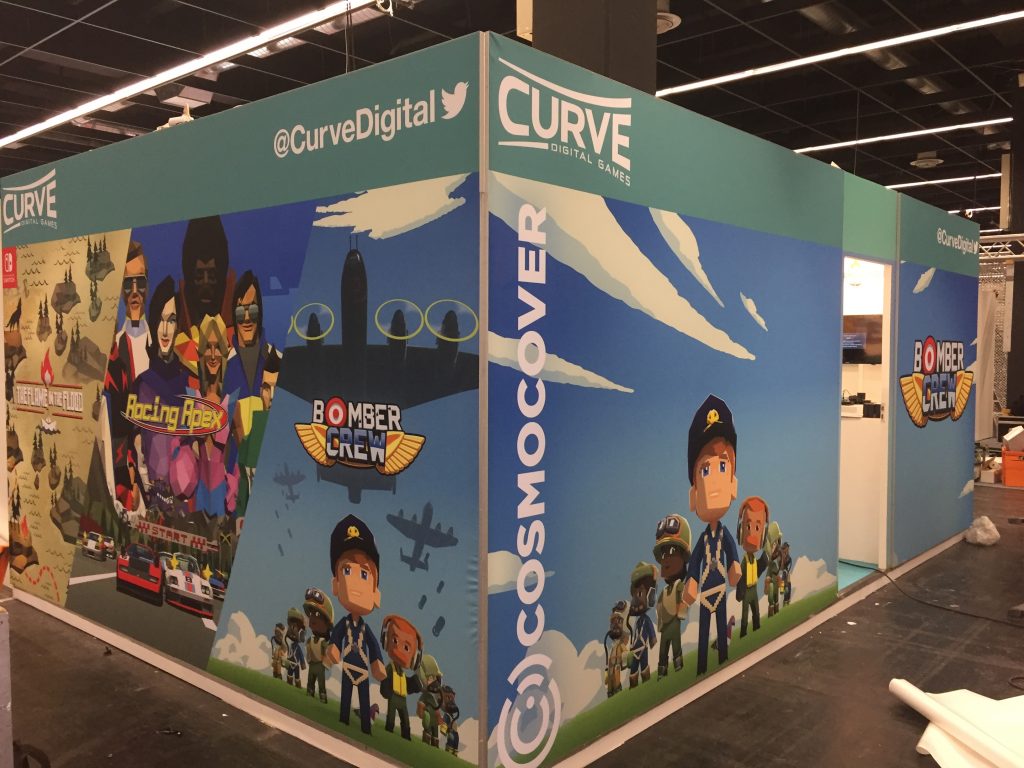
We spent 4 days in this booth. Every half an hour, another journalist/youtuber/similar would come in, and we’d show them the game. It was good fun, but exhausting. Here’s us at the end, I look very tired. I was very tired.

2017: EGX
A month or so later, we showed the game to the public at EGX 2017. This has got to be one of my favourite memories from Runner Duck. It was also really valuable in figuring out what tutorial messaging was missing from the game (after you watch 100s of people play it for the first time, you begin to think things like “I really wish there was a big arrow pointing at that button…”).


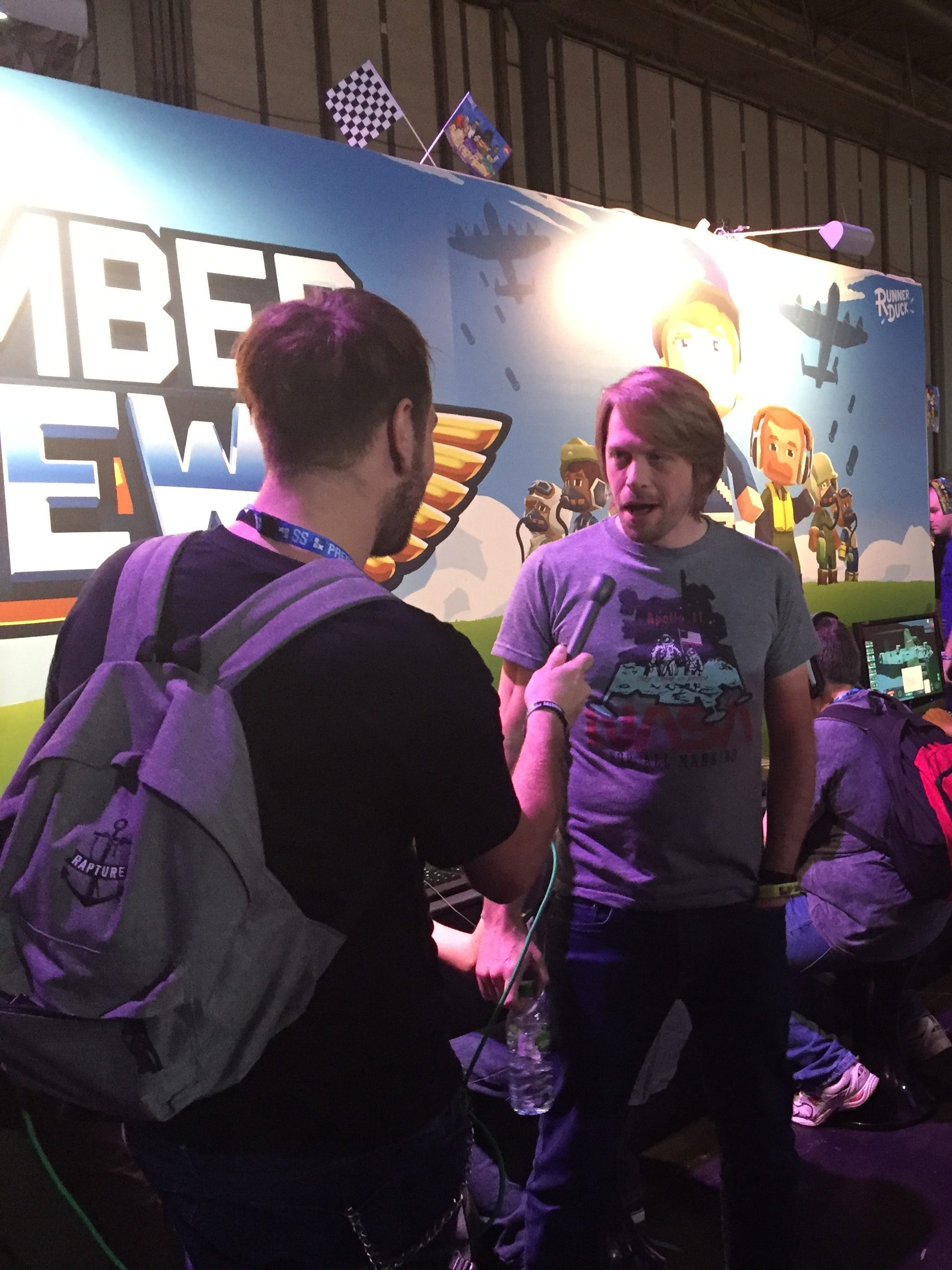
2017: (October) Steam release
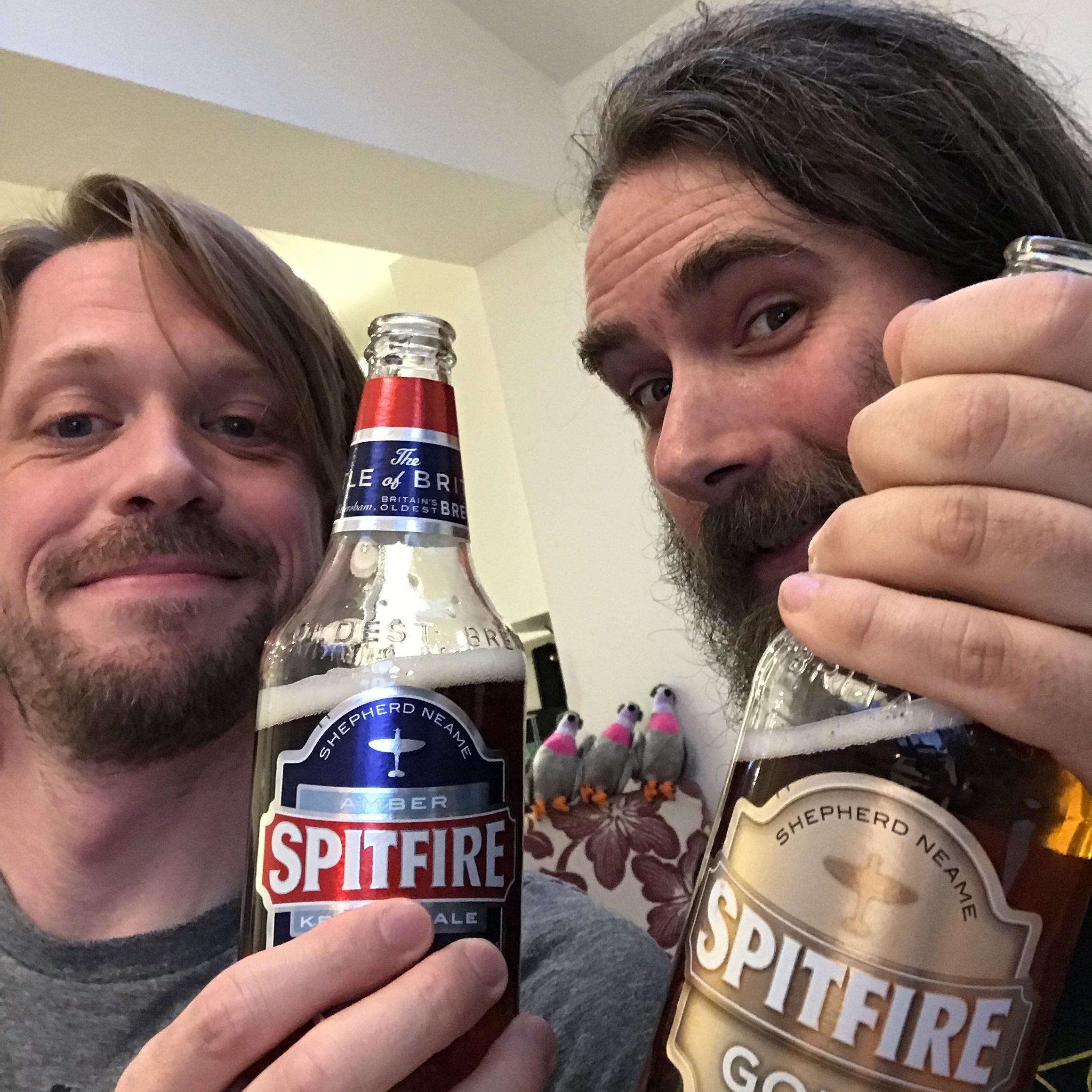
On release day, while it would’ve been nice to go up to see Curve, we thought it was more sensible if we were near-ish our desks, in case a hot fix was urgently required. I went round to Dave’s house, and we ordered a curry. We bought vaguely themed beers, and started a video call with the Curve right before “the go live button” was pressed.
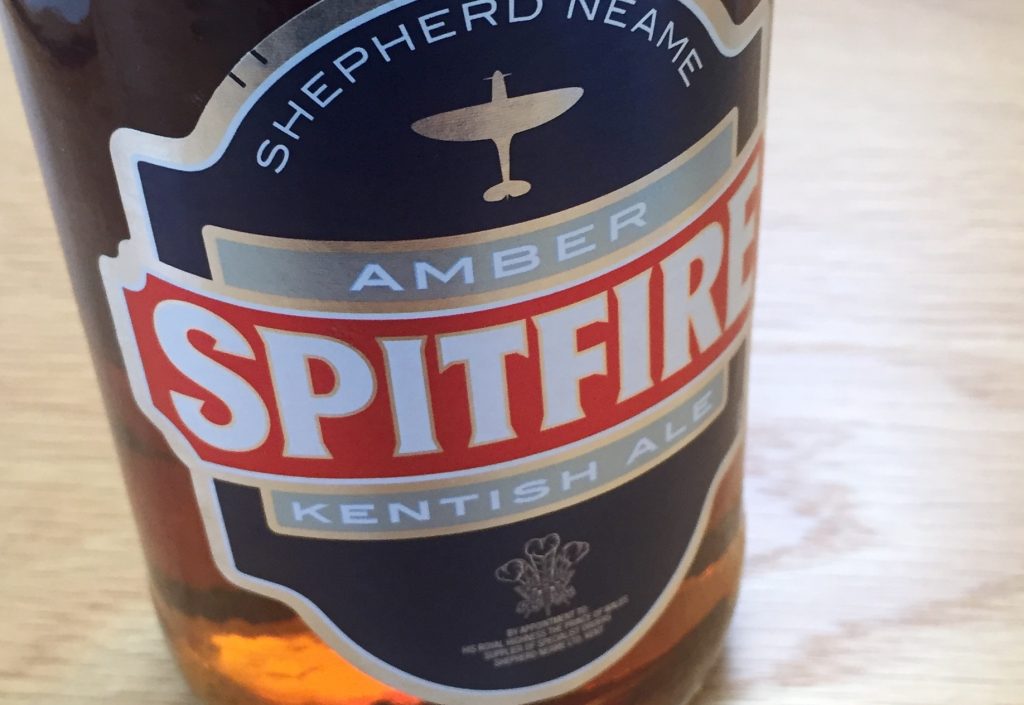

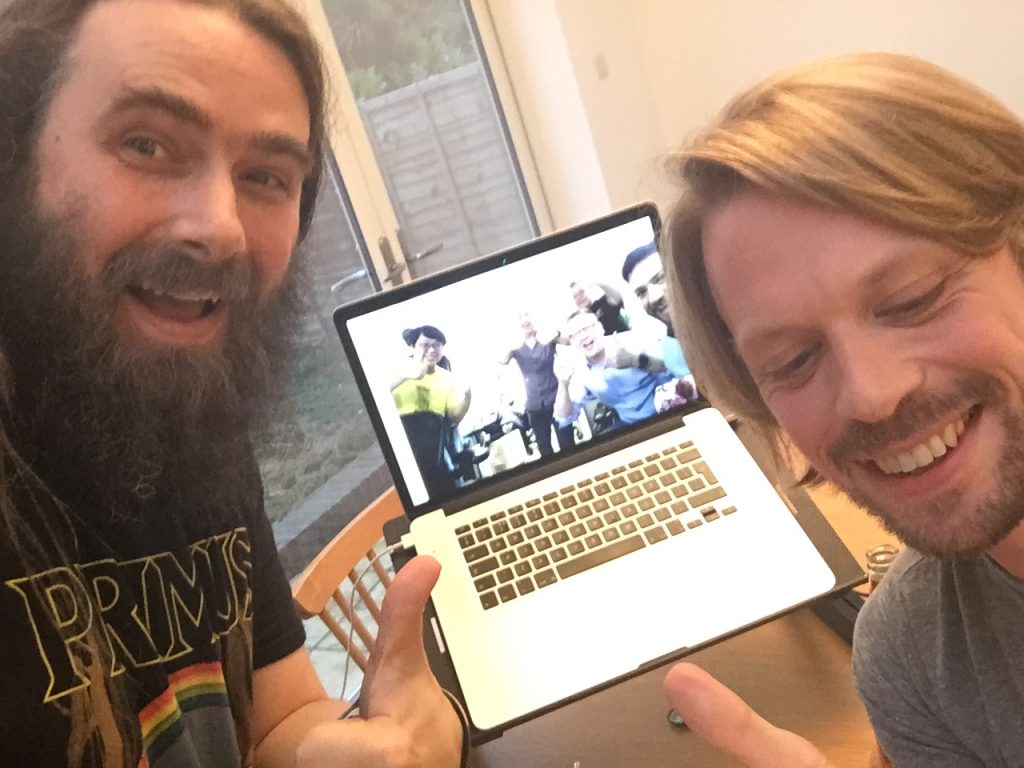
The launch went better than we ever could’ve expected. Everyone’s hard work paid off – from giving out flyers at EGX, building up the wishlists and mailing list, organising all those back-to-back interviews. There was so much real energy put in to the marketing and launch of this game – we were incredibly grateful. Here’s a photo of it at the top of the Steam charts:
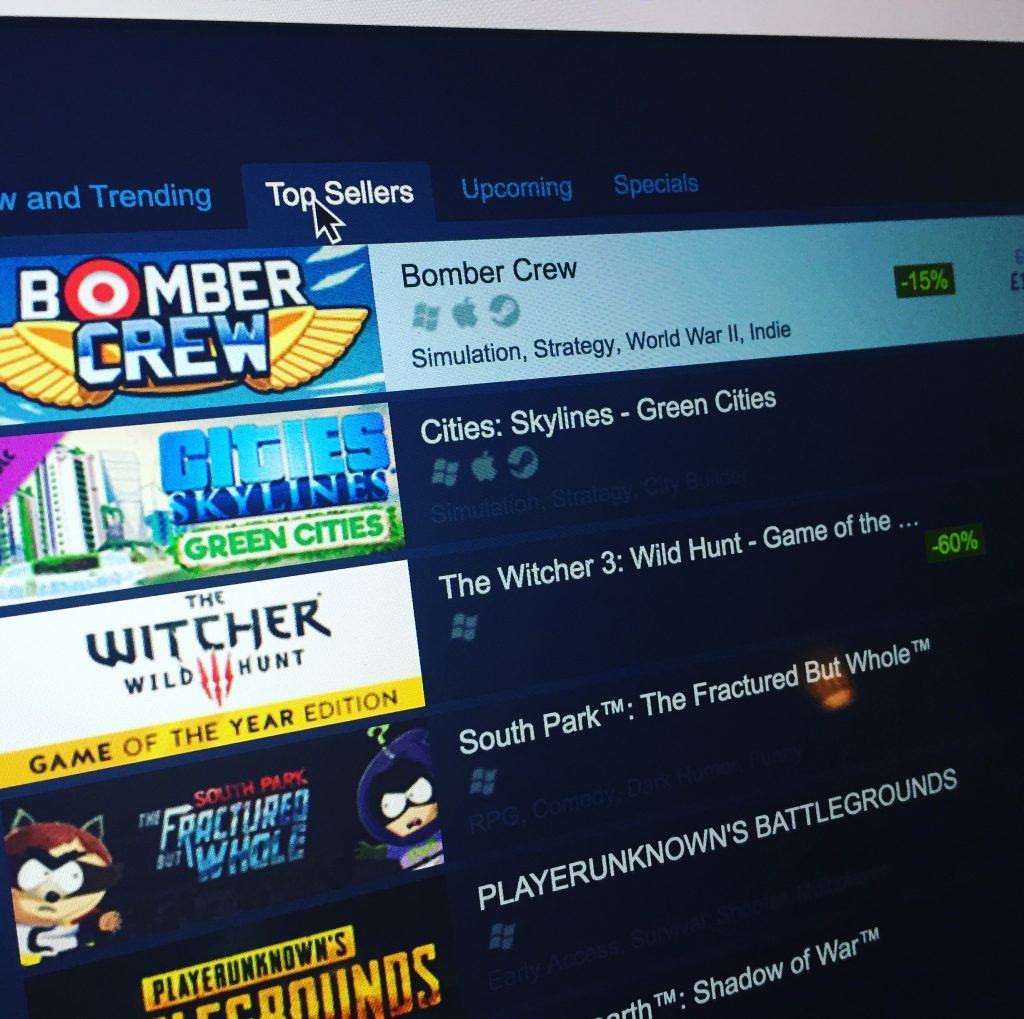
I took a short last minute holiday on my own, mostly to go and see the band Cleric play in New York. A good friend of mine, Orta Therox, was living there at the time – so we hung out and had some beers and so on.
2018: Console Ports, GDC
I decided I was going to do the console ports myself. In my mind, it just made sense – we could have the code all in one place, and there wouldn’t be any heavy integration back/forth, as there would be if it was outsourced to a 3rd party. We both had experience of console development & everything that goes along with it from our previous jobs.
In total contrast to the “getting a publisher is something other people do”, when it comes to technical tasks, my attitude is generally: “fuck it, how hard can it be?”. It’s quite hard to know the scope/scale of these things without at least starting on them, too.
Either way, I was right, it wasn’t that hard. Figuring out the control scheme for controller was a bit of an exercise, but everything else platform-wise just fell in to place.
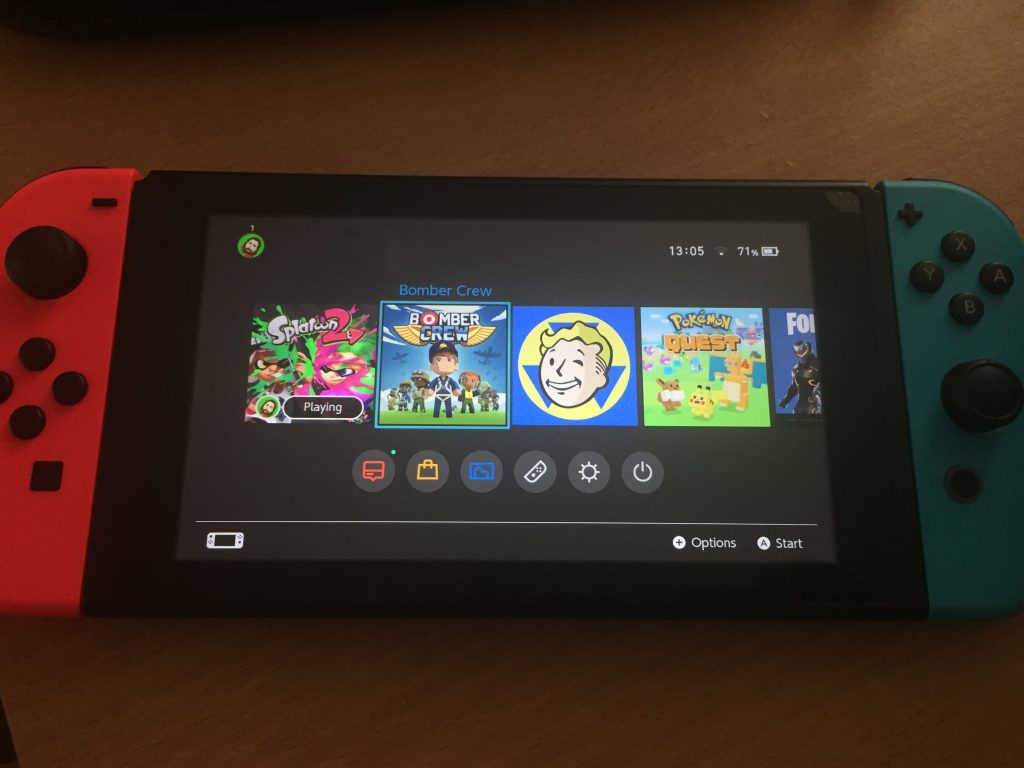
Curve flew me out to GDC (unfortunately Dave was unavailable) to do another round of marketing stuff, this time just for the console version. Switch was new & exciting, so I was mostly demoing the game on Switch. Bomber Crew is great on Switch (and also there’s just something really exciting about having your game on a Nintendo console), so that was nice. Curve put me in a really fancy hotel, so that was cool. I drank few beers with our producer Ren at a nearby dive bar, which is of course, one of my natural habitats.
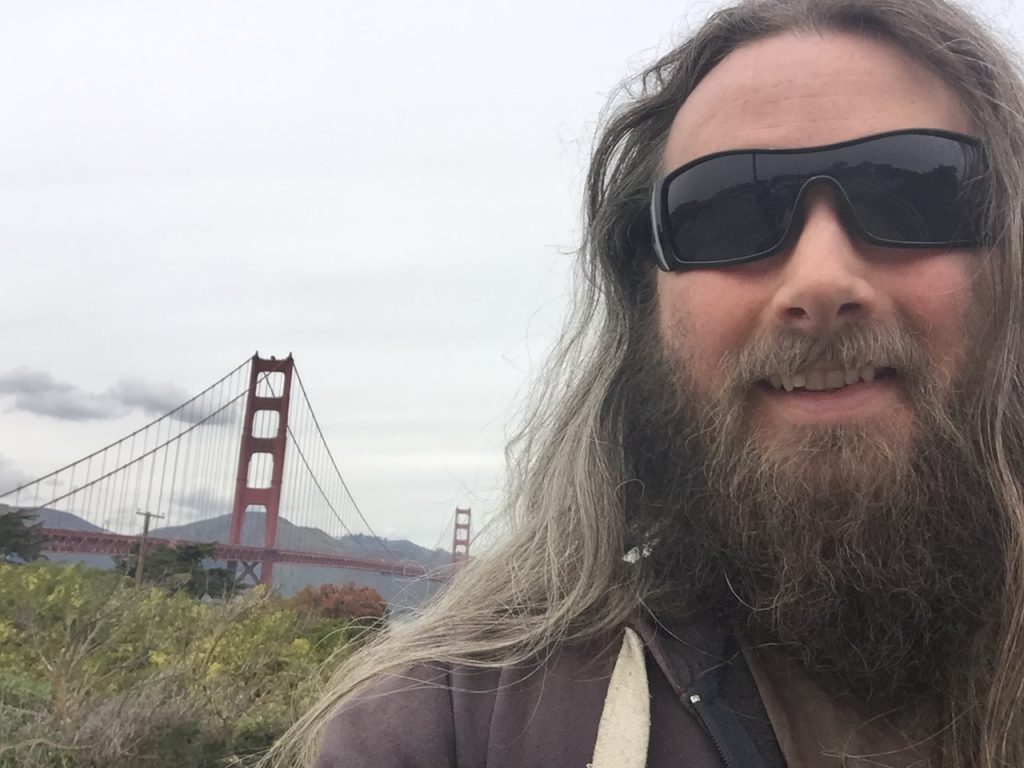
It was my birthday while I was there. Around all the marketing stuff, I found enough time to see the Golden Gate bridge, have an ice cream, and then go for a meal with the Curve contingent in the evening. I actually managed to fit in a lot of “being a tourist”. I also met up with an old colleague, the lead programmer on the project where I first worked with Dave, who was now living in San Francisco.
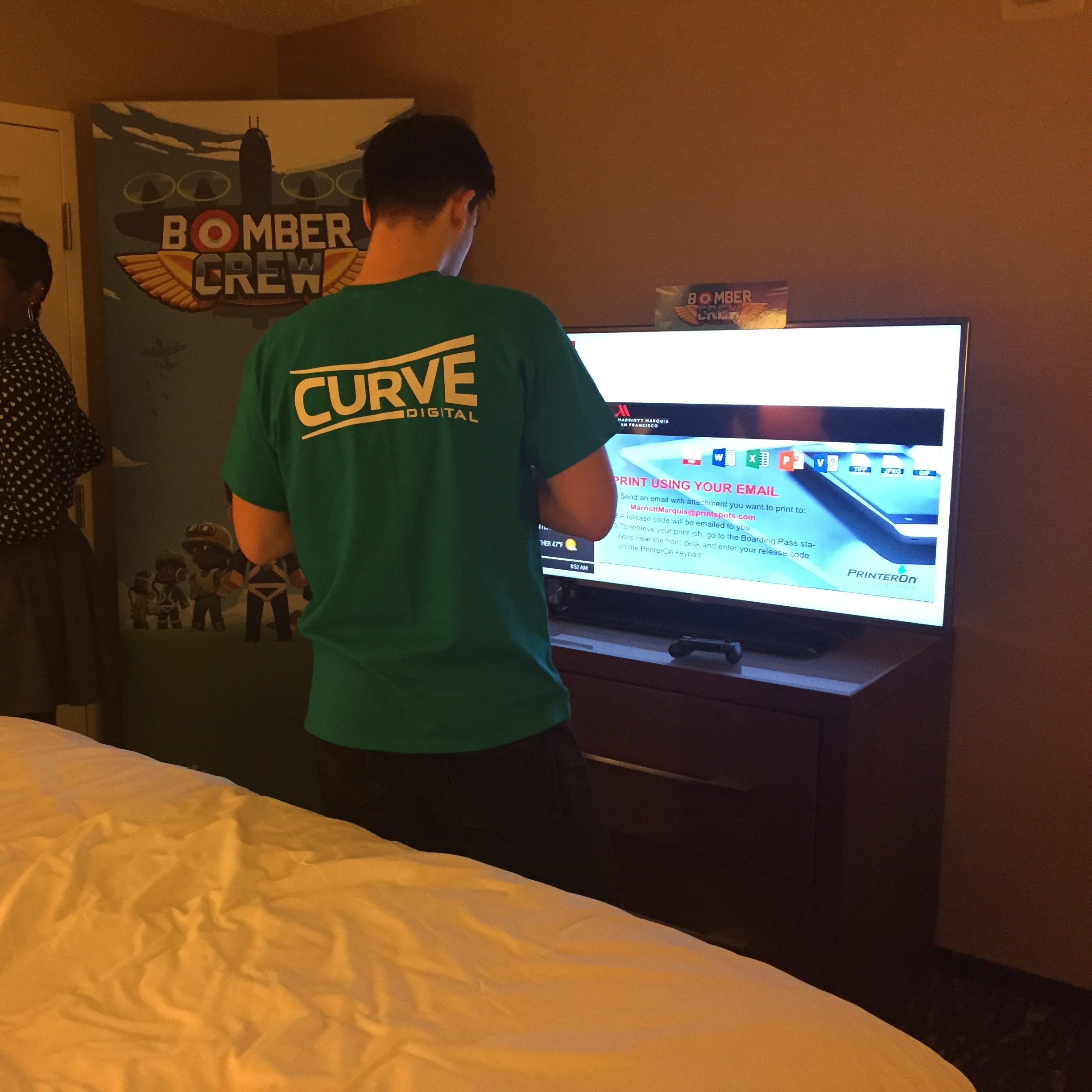
The weirdest thing about this round of marketing was that we were doing it out of a hotel suite near GDC. Journalists/Youtubers/etc would come up and knock, and then be shown Bomber Crew and two other Curve games were demoing. The other two games were using the sofas, which meant I had to sorta sit on the edge of a bed to demo Bomber Crew. The journalist would sit next to me and play it on the Switch & I’d kinda explain it. It was nice, but a little strange.
We went to Unite (Unity engine conference) that year, but it had moved from Amsterdam to Berlin, and it wasn’t very good. We haven’t been to one since.
Bomber Crew released on console. I can’t remember the exact date, but it was summer 2018. We’d added some extra stuff – some extra content, an endless mode, a new campaign.
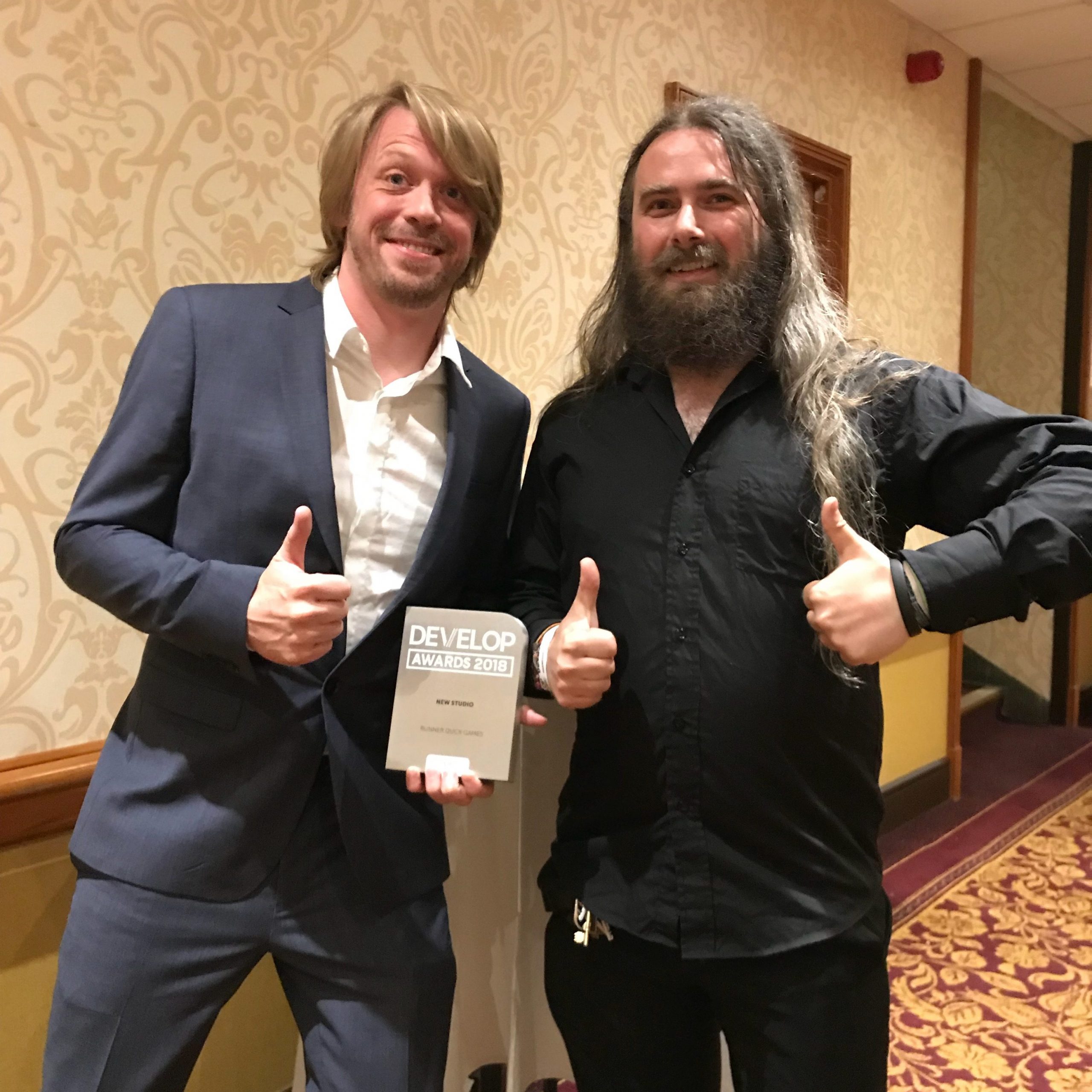
Curve invited us to sit on their table at the Develop awards. We’d been nominated for “Best New Studio”, and we won! It was a very nice evening, even if I had to wear a shirt (I’m a t-shirt guy, y’know). It was just a great time hanging out with nice people & celebrating a couple of years of hard work, and even if we hadn’t won, it still would’ve been a great time. (but I’m glad we won).
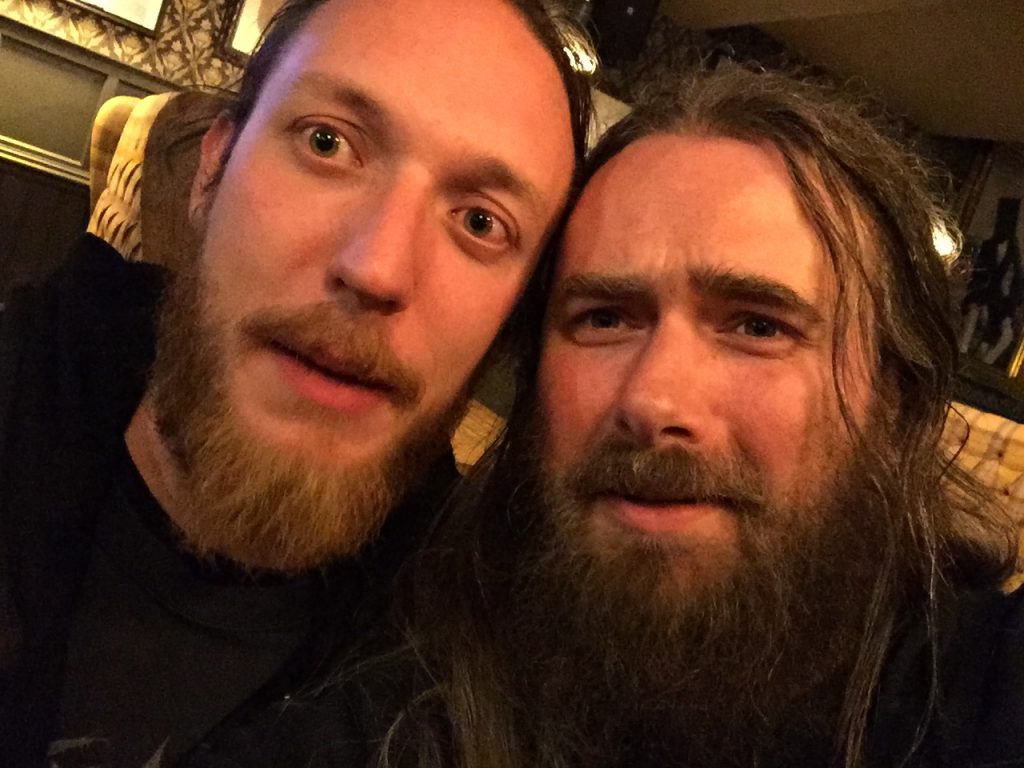
At EGX 2018, we showed Bomber Crew on Switch. It was very different to EGX 2017, as I could relax a bit more – I wasn’t looking to see how people were playing, or worrying about finishing the game, because the game was done! I just went in a casual capacity, to see other games, hang out, etc… I swung by Leamington and caught up with some of my old Codemasters colleagues, and also Matt Brien, who ended up doing a lot of the soundtrack for Space Crew.

At some point we did the USAAF DLC. It was a big chunk of work, because we had to do a whole new bomber, and Bomber Crew wasn’t set up for that very well. (lesson learnt for future games!!).
2019: Physical editions
In 2019, we did some physical limited edition versions of Bomber Crew for Switch and PS4. This was a joint production with Curve & Merge. There was a big box version which came with a bunch of things (soundtrack CD, pin badges, postcard, medal), and a regular physical version (y’know, game in a box). The big box was labelled “Signature Edition” (it had our signatures on the box), and the regular one was “Complete Edition” (both had all the expansions).
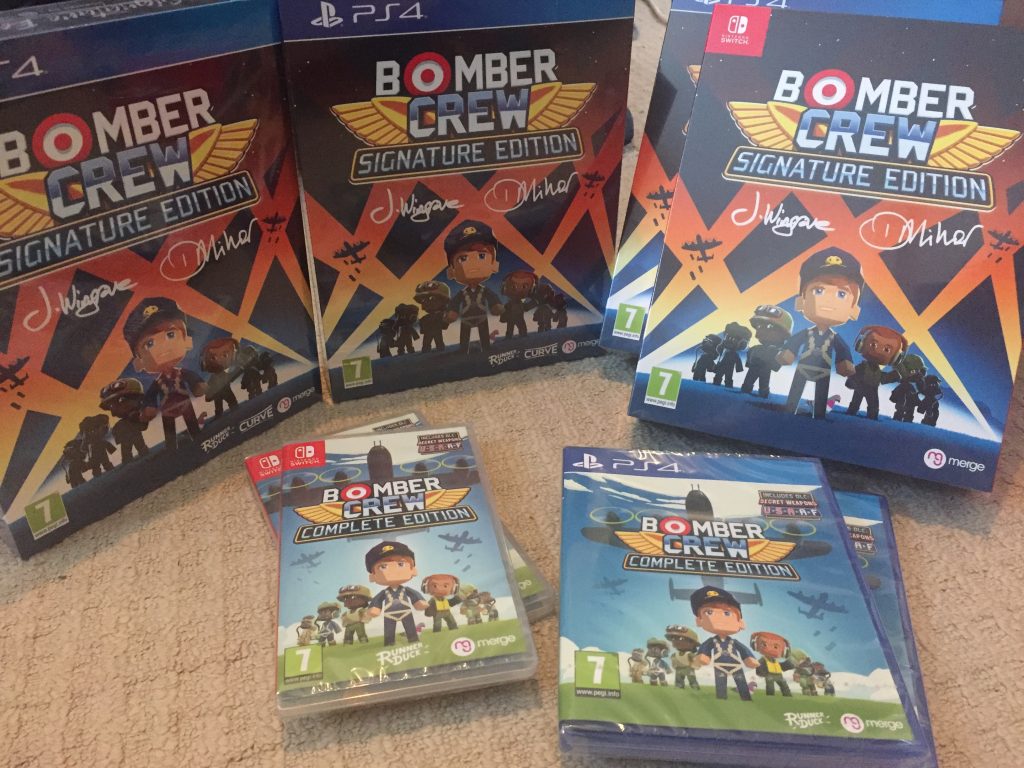
I spent an entire morning practicing a legible signature to go on the box. Anyway, possibly the coolest thing I’ve ever done, so that was nice. Thanks everyone who made it happen!

What happened next? Well, we’d already started on our next game. A bit later Curve bought us. Things were good. I am incredibly nostalgic for these times, the times of Runner Duck Part 1. So far it feels like Runner Duck Part 4 (which is “now”) is more similar to Part 1, so that’s good.
Loads of stuff happens next in this story – but that’s Part 2-4 kinda stuff, so for now – on the sorta 2018-with-a-bit-from-2019, that’s where this post ends!
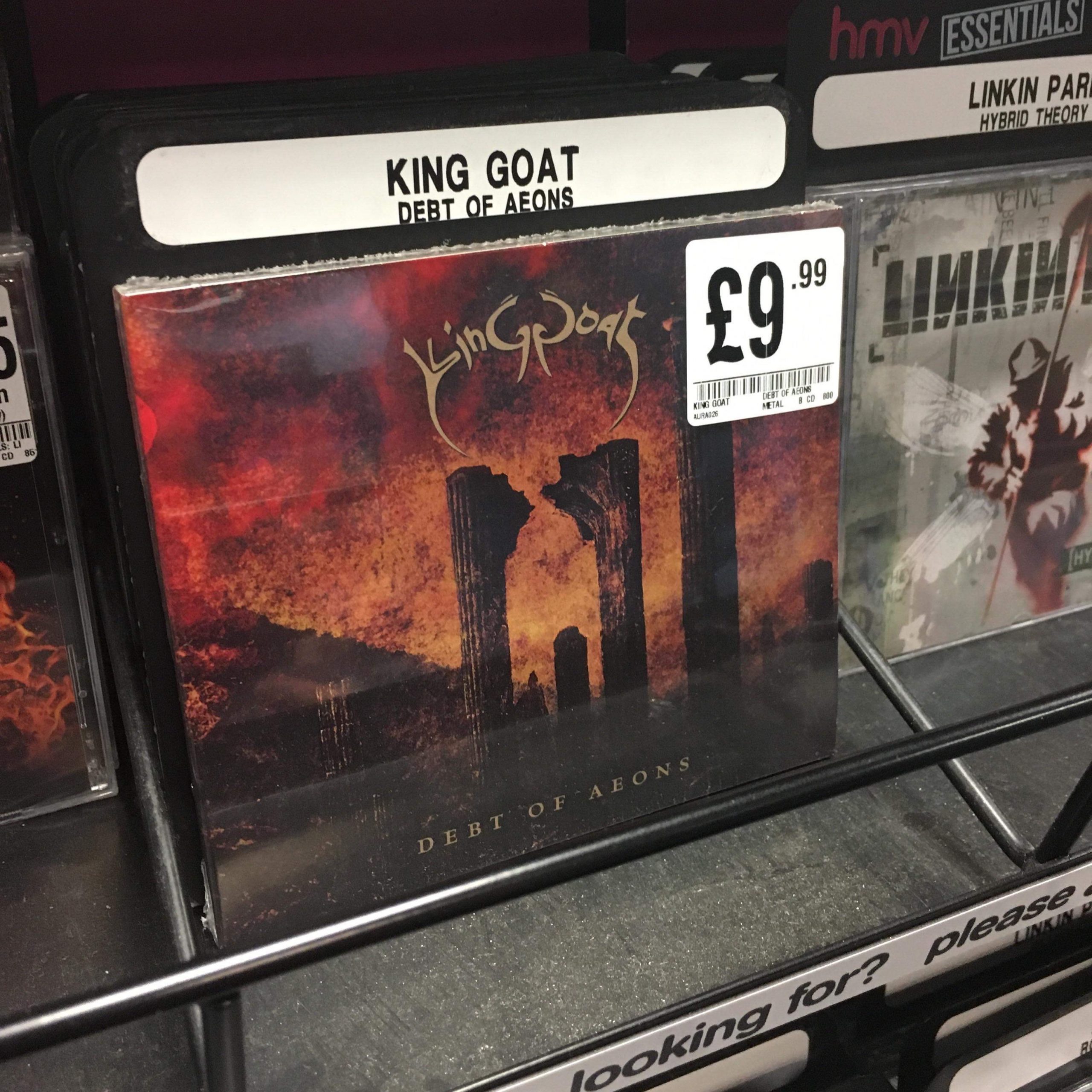
Around this time, I also had a King Goat album in the shops (CD & Vinyl, y’know)… so for a little bit of time, you could find me in both GAME and in HMV!
ALSO – From Dave, some extra photos